Sacramento, California
Need a tooth pulled in Sacramento?
Most tooth extractions in Sacramento are one visit, under local anesthetic.
Call to ask about the exam fee and the next available appointment.
Same-week appointments for most patients. Sacramento and nearby areas.
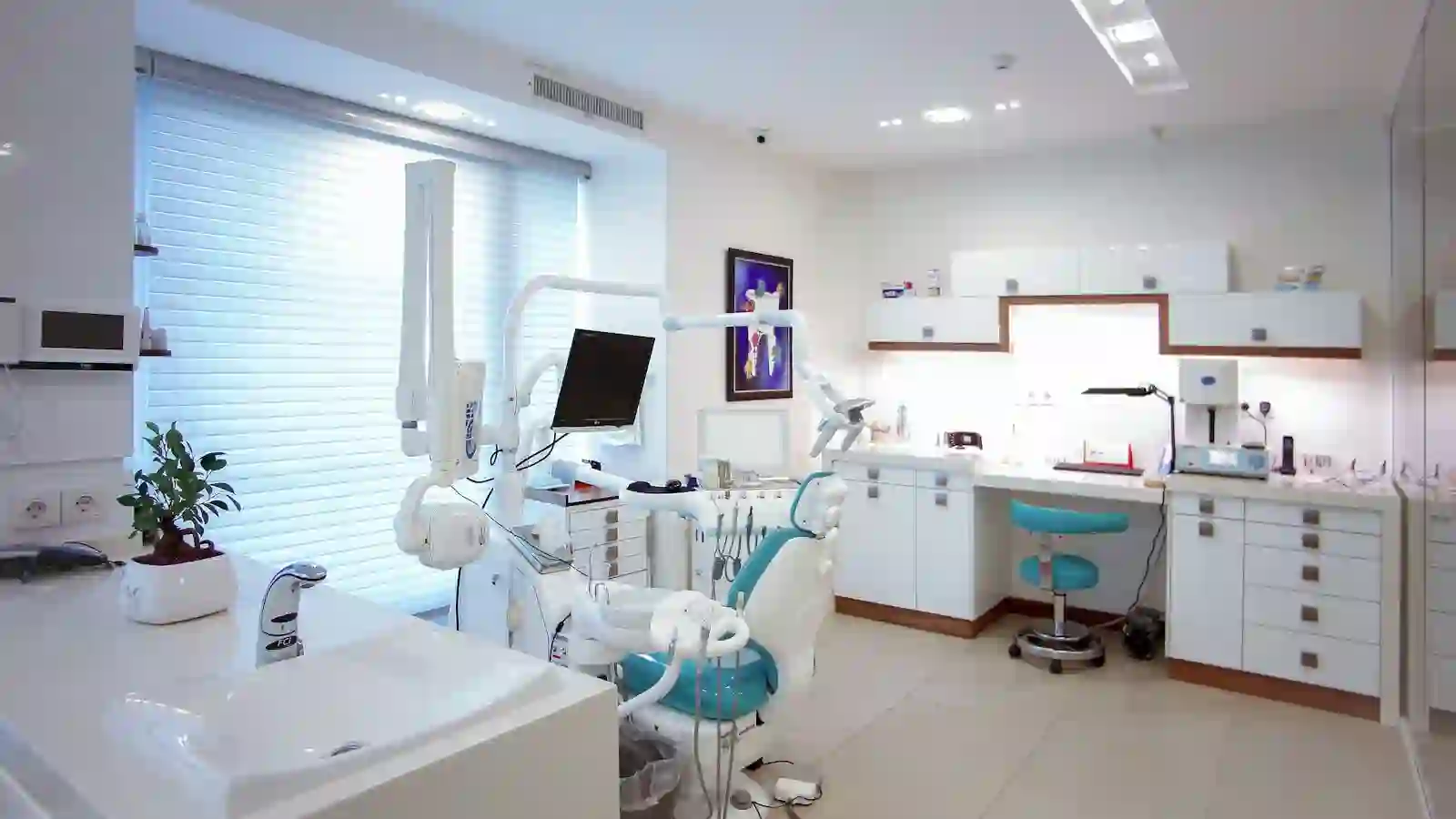
What a tooth extraction costs in Sacramento
There is no flat price for pulling a tooth, and a website that gives you one is quoting some other person's tooth. What yours costs comes down to how much of it is left above the gum, whether its roots are straight or curved, and whether it's a front tooth or a molar. Those change how long the appointment takes, and time is most of the price.
An infection that has to settle first, the x-ray, or a graft to keep the socket in shape each add to it. The exam is what tells you which of them apply to you.
With dental insurance, expect it to pay a share of the extraction once your deductible is met. Without it, ask about the in-house membership plan when you call. That plan belongs to the practice and is not a financing company.
Nobody can price a tooth they have not seen, and you should be wary of any office that quotes one over the phone. What you can get on the phone is the exam fee, whether your insurance is likely to cover a share, and an appointment.
An independent information site. It is not a dental practice; calls connect you with a licensed general dental practice in Sacramento.
The full cost breakdown, including what insurance usually covers
Which kind you need
There are three, and the difference is mostly about how much of the tooth is left. You don't have to work out which one applies to you before you call. That's what the exam is for.
Simple extraction
The tooth is visible and solid enough to grip. It's numbed, loosened, and lifted out, usually in under an hour and usually with no stitches.
What a simple extraction involvesEmergency extraction
Pain that won't wait, a tooth broken in an accident, or swelling that has started to spread. Call, don't fill in a form. This is the one that gets triaged over the phone.
When it can't wait until morningSurgical extraction
The tooth is broken off at the gum, or its roots are curved or fused to bone. It takes a small incision, often stitches, and sometimes a bone graft to keep the socket ready in case you want an implant later.
How a surgical extraction works
What happens on the day
Numbing comes first, and the few seconds of sting from the injection is the sharpest part of the whole appointment. Everything after it happens in an area that cannot feel sharp pain.
What you notice instead is pressure. Firm pushing, some rocking, and a surprising amount of noise, because sound carries through bone to your ear. People are rarely warned about the noise, and being warned is most of what makes it tolerable.
Removing the tooth is usually quicker than numbing it was, and the whole appointment is usually under an hour. Then gauze, and an hour of biting down while a clot forms in the socket. Feeling returns over the next two to four hours and brings soreness with it, which is what the painkillers are for.
You go home with written aftercare instructions and a number to call if anything changes. Most people take the rest of the day easy, are back to ordinary days within two or three, and are back to normal food, carefully, within a few more.
If you're in pain right now
Call. A tooth that hurts badly enough to send you searching at this hour doesn't usually settle down on its own, and the wait for an appointment is shorter than most people expect.
Call now if the pain has stopped responding to painkillers, if the tooth is broken and sharp against your tongue or cheek, or if the gum around it has swollen.
Go to an emergency room tonight, not a dental office, if swelling has spread toward your eye or your neck, if a fever has come with it, or if swallowing or breathing has become difficult. That combination means the infection is no longer contained to the tooth, and it needs treating before anything is pulled.
Who you're calling
This site is not a dental practice. It's an independent site that answers extraction questions and sends the people asking them to a general dental practice in Sacramento.
That office does simple and surgical extractions, including cases that need a bone graft, and it has CT imaging on site, which is what makes it possible to see the shape of a root before touching it.
It is a general dental practice rather than an oral surgery practice. Some cases belong with a specialist, and when one does, that's a referral the exam makes. It isn't something a web page can decide for you.
Common questions
- How much does it cost to get a tooth pulled in Sacramento?
- It depends on the tooth and on whether the extraction turns out to be simple or surgical, which is why the number comes from the exam. Call and ask for the exam fee and what your plan is likely to cover, and the office can check your insurance before anything is scheduled.
- Does getting a tooth pulled hurt?
- Not in the way people expect. The area is numbed before anything starts, so the sensations that get through are pressure and noise. The sore part comes later, once the numbness fades, and over-the-counter painkillers usually cover it.
- How long does it take to recover from a tooth extraction?
- Most people feel noticeably better after two or three days and are eating normally within a week. The socket itself takes several weeks to close over. Recovery from a surgical extraction generally runs a few days longer than from a simple one.
- Can I get a tooth pulled the same day?
- Often, yes, particularly where there is pain or infection. Same-week appointments are available for most patients and urgent cases are triaged over the phone. Whether the tooth comes out at that first visit depends on the exam, and on treating any infection first.
- What if I don't have dental insurance?
- Ask about the in-house membership plan when you call. It's the practice's own plan for uninsured patients, and it covers the exam as well as treatment.
- Should I go to an emergency room for a tooth?
- Yes, if the swelling has spread toward your eye or neck, if you have a fever with the pain, or if swallowing or breathing is getting harder. Those are signs of an infection moving beyond the tooth, which is a medical problem before it is a dental one. For a painful or broken tooth without those signs, a dental office is the faster route.